 Daniel Foster
🏆 Quick Pick
Best Overall: Renewable Energy + Energy Efficiency Upgrades — the combination delivers the strongest mix of emissions reduction, operational savings, and long-term resilience.
Best Budget Option: Energy-Efficient Infrastructure Upgrades — lower upfront costs than major renewable projects while often producing faster payback periods.
Best for ESG-Focused Companies: Carbon Measurement & ESG Reporting Platforms — they create visibility, improve reporting credibility, and help prioritize future investments.
(Keep reading for the full breakdown — including the ones I’d avoid.)
⚡ Quick Answer
The best carbon footprint reduction investments in 2026 are energy-efficiency upgrades, on-site renewable energy systems, and carbon measurement platforms. Most businesses see the strongest long-term value from efficiency projects costing $5,000–$250,000 because they reduce emissions while lowering operating expenses year after year. Renewable energy becomes even more attractive once energy waste has already been reduced.
Quick Verdict
If I were advising a company with a limited sustainability budget today, I’d invest in energy efficiency before almost anything else. Not because it’s the most exciting option. Because it consistently produces measurable savings, lowers emissions, and improves the economics of every future sustainability project.
The biggest mistake I see? Companies jumping straight into offsets or highly visible climate initiatives before fixing operational inefficiencies. It’s like installing a bigger water tank while ignoring a leak in the pipe.
According to the U.S. Environmental Protection Agency, efficiency upgrades can reduce building energy loads by 30% or more before renewable energy is added, making every dollar invested in clean energy go further.
I’ve worked with startups and SMEs that spent months debating carbon-neutral marketing campaigns while ignoring outdated lighting, inefficient HVAC systems, and poorly tracked emissions data. The companies that generated the best returns almost always started with operational improvements first.

What Actually Matters When Evaluating Carbon Footprint Reduction Investments
Every buyer focuses on emissions reduction percentages. That’s understandable.
What nobody tells you is that the investments delivering the biggest sustainability headlines aren’t always the ones delivering the best business outcomes.
When evaluating carbon footprint reduction investments, I focus on five factors.
1. ROI Timeline
Some projects generate savings within 12–36 months. Others may require seven years or longer.
Fast payback isn’t everything, but cash flow matters. A project that funds future sustainability initiatives is often worth more than a project with a slightly larger emissions reduction but a much longer recovery period.
2. Total Emissions Reduction
This seems obvious, yet many companies measure only direct reductions.
Look at the total impact across operations, facilities, transportation, and supply chains. The best investments create reductions that continue every year without requiring additional spending.
3. Operational Cost Savings
Here’s the thing: sustainability projects become much easier to approve when they reduce expenses.
The EPA reports that ENERGY STAR-certified commercial buildings use roughly 35% less energy and generate 35% fewer greenhouse gas emissions than comparable buildings.
That means lower utility bills and lower emissions at the same time.
4. Scalability
A good investment should work across multiple locations, departments, or business units.
Many organizations underestimate how valuable repeatability becomes once sustainability programs expand.
5. Reporting and Investor Value
This is the overlooked factor.
Every buyer focuses on equipment. The thing that actually predicts long-term success is measurement.
Without credible emissions data, it’s difficult to demonstrate progress to investors, customers, regulators, or procurement teams evaluating ESG performance.
💡 Key Takeaway: The best sustainability investments don’t just reduce emissions. They reduce emissions while improving business performance and creating measurable data for future decisions.
For most organizations evaluating carbon footprint reduction investments, energy-efficiency projects in the $5,000–$100,000 range typically deliver faster returns than large-scale renewable energy installations. Once energy waste is reduced, renewable energy systems become significantly more cost-effective because they serve a smaller overall energy demand.
Which Carbon Footprint Reduction Investments Deliver the Highest Long-Term ROI?
Not all sustainability spending is investment.
Some initiatives create genuine operational value. Others create little more than annual reporting content.
Based on years of consulting work with growing businesses, I generally place investments into three categories:
| Investment Type | Typical Long-Term Value |
|---|---|
| Energy Efficiency | Very High |
| Renewable Energy | High |
| Carbon Tracking Platforms | High |
| Fleet Electrification | Moderate to High |
| Carbon Offsets Alone | Low to Moderate |
The contrarian view?
Carbon offsets are often treated as the starting point. In reality, they’re usually a finishing move.
Companies that invest first in operational reductions often discover they need fewer offsets later, reducing long-term spending while improving credibility.
That’s particularly important as buyers become more skeptical of sustainability claims. Strong reporting practices matter just as much as ambitious goals. Businesses exploring reporting frameworks may also benefit from our guide on ESG reporting practices that build credibility.
The 4 Investments I’d Prioritize First
Before reviewing individual options in detail, here’s the ranking I use most often when helping businesses allocate sustainability budgets.
1. Energy-Efficient Infrastructure Upgrades
Lighting, HVAC modernization, insulation improvements, building controls, and energy monitoring systems frequently produce the fastest returns.
The EPA recommends starting with lower-cost efficiency projects before larger capital investments because the savings generated can help fund future upgrades.
2. Renewable Energy Systems
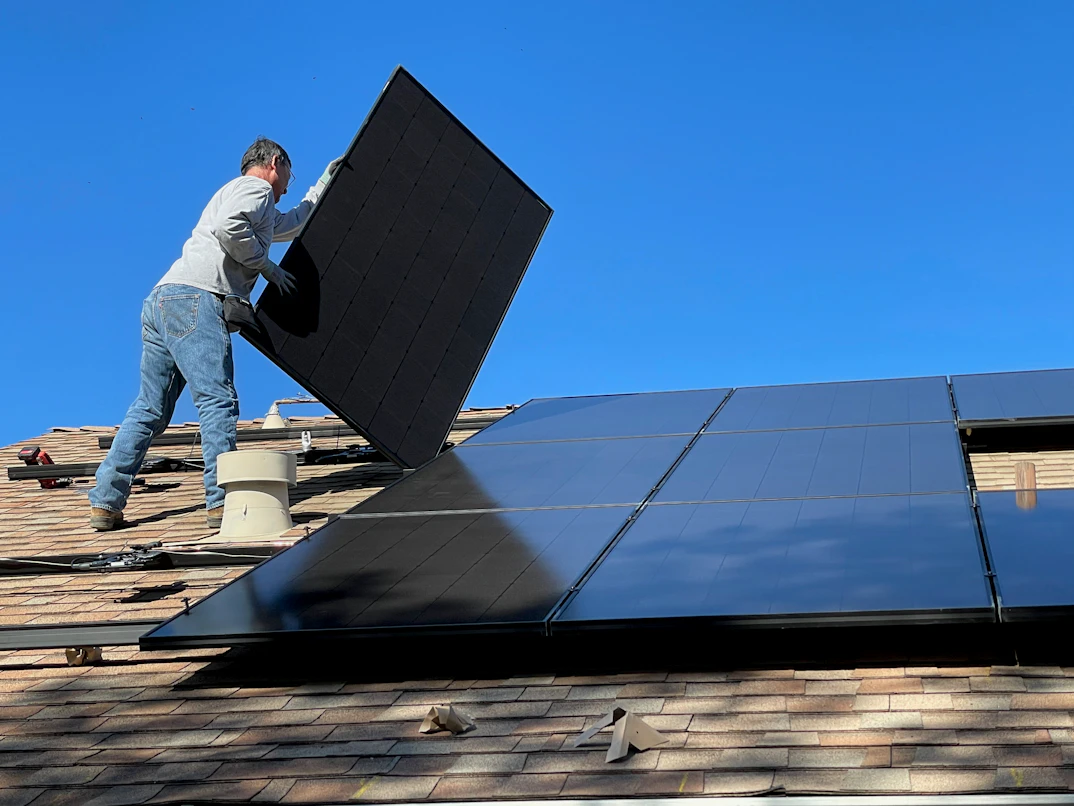
Solar installations and renewable energy procurement agreements can significantly reduce operational emissions.
However, renewable energy becomes substantially more valuable after efficiency improvements have reduced demand. The EPA specifically notes that efficiency upgrades can shrink building energy loads by 30% or more before renewable deployment.
3. Carbon Measurement and ESG Platforms
You can’t manage what you don’t measure.
Many organizations discover major emissions reduction opportunities only after implementing carbon accounting tools and formal sustainability tracking systems.
Companies looking to strengthen measurement practices should also review our resource on sustainability targets and carbon metrics.
4. Transportation and Fleet Optimization
For logistics-heavy businesses, transportation often represents one of the largest emissions categories.
Route optimization, vehicle electrification, and telematics systems can generate meaningful reductions while lowering fuel expenses.
A Lesson Most Buyers Learn Too Late
Real talk: buyers often assume the biggest sustainability project will create the biggest business value.
That rarely happens.
One client spent months evaluating a major renewable energy installation. After an audit, we found inefficient HVAC scheduling was wasting energy every night. Fixing the controls cost a fraction of the proposed solar project and produced immediate savings.
That experience reinforced something I’ve seen repeatedly.
Sustainability investing is less like buying a lottery ticket and more like fixing a chain. Strengthening the weakest link usually creates the biggest overall improvement.
For businesses still building a reduction roadmap, our article on carbon reduction strategies for companies provides a useful framework for prioritizing initiatives.
A useful benchmark comes from ENERGY STAR data showing businesses participating in energy-management programs have collectively avoided billions in energy costs through efficiency improvements.
The criteria matter.
But how do the actual options stack up against one another when budgets, timelines, and real-world constraints enter the picture?
That’s where the decision becomes more interesting.
The criteria matter. But how do the actual options stack up?
This is where budgets, timelines, and business realities separate good sustainability investments from expensive distractions.
The 4 Investments I’d Prioritize First
Renewable Energy Systems (On-Site Solar & Clean Energy Procurement)
What it’s genuinely good at:
Renewable energy delivers some of the most visible and measurable carbon reductions available to businesses. Once installed, solar systems can generate decades of emissions savings while reducing exposure to future energy price increases.
Who it’s actually for:
Companies with stable facilities, long-term occupancy plans, and significant electricity consumption benefit most.
The honest criticism:
The upfront cost remains substantial. Even with incentives, many organizations underestimate installation timelines, permitting requirements, and maintenance planning.
My verdict:
Excellent long-term value. Not usually the best first investment.
Energy-Efficient Infrastructure Upgrades
What it’s genuinely good at:
Efficiency upgrades reduce waste immediately. HVAC optimization, LED retrofits, smart controls, and building automation frequently generate the fastest returns.
Who it’s actually for:
Almost every business.
The honest criticism:
They lack marketing appeal. Few executives get excited about lighting controls.
Yet these projects often outperform higher-profile sustainability investments financially.
My verdict:
The strongest first move for most organizations.
Fleet Electrification & Transportation Optimization
What it’s genuinely good at:
Transportation optimization reduces both emissions and fuel spending. Businesses operating delivery vehicles, service fleets, or logistics networks often uncover substantial savings opportunities.
Who it’s actually for:
Logistics-heavy businesses, field service companies, and regional transportation operators.
The honest criticism:
Infrastructure planning can become complicated. Charging access, route limitations, and vehicle replacement schedules require more planning than many buyers expect.
My verdict:
Highly effective when transportation represents a major emissions source.
Carbon Measurement & ESG Reporting Platforms
What it’s genuinely good at:
Visibility.
Businesses frequently discover reduction opportunities they didn’t know existed after implementing structured carbon accounting systems.
Who it’s actually for:
Organizations facing investor scrutiny, procurement requirements, ESG reporting obligations, or sustainability commitments.
The honest criticism:
The software itself doesn’t reduce emissions.
The value comes from decisions enabled by better data.
My verdict:
An excellent force multiplier once operational improvements begin.
Renewable Energy vs Energy Efficiency: Which Investment Is Actually Worth More?
This comparison surprises many decision-makers.
Solar projects often receive more attention. Efficiency projects often generate faster returns.
Think of it like filling a bucket. Renewable energy adds more water. Efficiency patches the holes first.
For most businesses, fixing the leaks wins.
Businesses evaluating carbon footprint reduction investments should usually prioritize efficiency upgrades before renewable energy installations. Projects such as LED retrofits, HVAC modernization, and energy management systems often produce payback periods of two to five years, while also improving the economics of future renewable energy investments.
Comparison Table
| Criteria | Energy Efficiency Upgrades | Renewable Energy Systems | Carbon Accounting Platforms | Fleet Electrification |
|---|---|---|---|---|
| Typical Investment | Low to Medium | Medium to High | Low to Medium | Medium to High |
| Best For | Most businesses | Facility-intensive operations | ESG-focused organizations | Transportation-heavy businesses |
| Key Strength | Fast ROI | Large emissions reduction | Better decision-making | Fuel savings + emissions cuts |
| Main Limitation | Less visible externally | High upfront cost | Doesn’t directly cut emissions | Infrastructure requirements |
| Payback Timeline | 2–5 years | 5–12 years | 1–3 years indirect value | 4–10 years |
| Scalability | High | Moderate | Very High | Moderate |
| Our Verdict | Best Overall | Strong Second Step | Essential Visibility Tool | Situational Winner |
For businesses evaluating broader operational improvements, our guide on energy-efficient operations that reduce costs explores several high-return upgrades in greater detail.
Is Carbon Accounting Software Worth the Price in 2026?
Short answer: yes.
But not for the reason most vendors advertise.
The software isn’t valuable because it creates dashboards.
It’s valuable because it helps identify where capital should be invested next.
According to the U.S. Securities and Exchange Commission’s climate disclosure guidance and growing investor expectations around sustainability reporting, reliable emissions data is becoming increasingly important for many organizations evaluating climate-related risks and opportunities. The SEC’s climate-related disclosure resources provide useful context for companies preparing future reporting strategies.
For companies already investing in sustainability initiatives, measurement often becomes the bridge between action and credibility.
Organizations building reporting frameworks may also find value in our article on ESG reporting tools for businesses.
Who Should NOT Invest in Carbon Offsets First?
This is where I disagree with many sustainability marketing campaigns.
Offsets can play a role.
They just shouldn’t be the starting point.
If your business hasn’t addressed energy waste, operational inefficiencies, or transportation emissions, offsets often become an expensive substitute for direct improvements.
The FTC’s environmental marketing guidance warns businesses against making environmental claims that consumers could reasonably misunderstand or interpret as broader environmental benefits than actually achieved. That matters when offsets become the centerpiece of sustainability messaging rather than the final layer of a reduction strategy.
A better sequence:
- Measure emissions.
- Reduce emissions.
- Optimize operations.
- Add renewable energy.
- Offset what remains.
That’s usually the stronger long-term business climate strategy.
Red Flags and Expensive Mistakes to Avoid
Red Flag #1: Chasing the Biggest Emissions Number
The largest reduction percentage doesn’t automatically create the best investment.
Always evaluate cost per ton reduced alongside total financial return.
Red Flag #2: Ignoring Measurement
If an investment can’t be tracked, verified, or reported, proving value becomes difficult.
That’s especially problematic for investor-facing sustainability programs.
Red Flag #3: Believing Every “Carbon Neutral” Claim
Fair warning:
Some vendors emphasize carbon neutrality while relying heavily on purchased offsets.
Ask how much reduction comes from actual operational improvements versus offset purchases.
Red Flag #4: Treating Sustainability as a Standalone Department
The strongest projects improve operations, reduce costs, strengthen resilience, and lower emissions simultaneously.
If a proposal only checks one box, proceed carefully.
💡 Key Takeaway: The highest-value carbon reduction investments solve business problems and emissions problems at the same time.
Which Investment Is Best for Your Business Type?
Manufacturing Businesses
Go with energy-efficiency upgrades first.
Large energy loads create substantial opportunities for immediate savings.
E-Commerce Companies
Focus on logistics optimization and renewable energy procurement.
Transportation and fulfillment typically create the largest emissions footprint.
Professional Services Firms
Start with carbon measurement platforms and workplace efficiency improvements.
Data visibility often drives the biggest early gains.
Multi-Site Organizations
Prioritize standardized energy management systems.
The ability to replicate successful upgrades across multiple facilities creates powerful economies of scale.
Frequently Asked Questions
Are carbon footprint reduction investments worth it for small businesses?
Yes—if you focus on the right projects.
Many small businesses assume sustainability requires six-figure budgets. In practice, efficiency upgrades, energy monitoring systems, and operational improvements often produce measurable returns without major capital expenditures.
What’s the real difference between renewable energy and energy-efficiency investments?
Renewable energy changes where energy comes from.
Energy efficiency reduces how much energy is needed in the first place.
For most organizations, efficiency should come first because it improves the economics of every future renewable energy project.
Is carbon accounting software good value at $5,000–$20,000 per year?
It depends—here’s exactly how to decide.
The investment makes sense if you’re reporting ESG metrics, responding to customer sustainability questionnaires, managing multiple locations, or tracking reduction targets. If none of those apply, start with operational improvements before investing heavily in reporting tools.
Should companies invest in offsets or direct emissions reductions?
Direct reductions first.
Offsets work best after practical reduction opportunities have already been addressed. Buyers, investors, and regulators increasingly look for evidence of real operational improvements rather than offset purchases alone.
How long does it usually take to see ROI from sustainability investments?
Great question—
Energy-efficiency upgrades often produce returns within two to five years. Renewable energy projects may take five to twelve years depending on incentives, electricity prices, and system size. Measurement platforms can generate value much faster by identifying hidden reduction opportunities.
What I’d Actually Invest In Today
If I were allocating a sustainability budget today, I’d build the investment stack in this order:
- Carbon measurement and baseline assessment.
- Energy-efficiency upgrades.
- Operational optimization.
- Renewable energy deployment.
- Strategic offsets for unavoidable emissions.
That’s not the flashiest approach.
It’s the one I’ve consistently seen create the strongest long-term value.
Businesses looking for a broader roadmap can also review our resource on carbon footprint reduction strategies.
The companies generating the best sustainability outcomes aren’t necessarily spending the most money. They’re investing in the right sequence.
For most organizations, energy efficiency remains the best starting point, renewable energy is the strongest long-term accelerator, and measurement is the tool that makes both more effective.
If I were buying today, I’d go with energy-efficient infrastructure upgrades first because they consistently deliver the best combination of emissions reductions, financial return, and operational resilience. Let me know which investment you’re considering, and I’ll help you evaluate whether it’s actually worth the cost.

Daniel Foster is Sustainability consultant for startups and SMEs, helping businesses implement zero waste operations, sustainable packaging, and carbon reduction strategies aligned with ESG standards.
Now share tips ”Sustainable Business” on “econewera.com”
