 Dr. Amelia Hart
🏆 Quick Pick
Best Overall: Silicone Food Bags — They offer the best balance of durability, flexibility, freezer performance, and long-term waste reduction.
Best Budget Option: Plastic Containers — Lower upfront cost, but you’ll likely replace them more often over time.
Best for Freezer Storage: Silicone Food Bags — They take up less space, resist cracking, and handle freezing temperatures exceptionally well.
(Keep reading for the full breakdown — including the ones I’d avoid.)
⚡ Quick Answer
Silicone food bags are the better choice for most households despite costing roughly $8–$20 per bag. They last for years, work in freezers, dishwashers, and many microwaves, and reduce single-use plastic waste. Plastic containers still make sense for budget-conscious buyers and structured meal prep, but they generally wear out faster and create more replacement costs over time.
Quick Verdict
If you’re choosing between silicone food bags and plastic containers, silicone food bags win for most kitchens. They’re more versatile, typically last longer, and do a better job replacing disposable storage products.
Plastic containers still have a place. They’re affordable, stack neatly, and work well for meal prep. But after testing dozens of reusable food storage setups over the years, silicone bags consistently deliver more value per dollar spent.
The most common regret? Choosing based on purchase price alone.
A $3 plastic container looks like the smart buy. Then the lid warps, stains appear, odors linger, or a corner cracks after a few months of regular use. Suddenly the cheap option isn’t so cheap anymore.
I’ve seen this happen repeatedly in household sustainability audits. The storage products that save the most money are rarely the ones with the lowest sticker price.
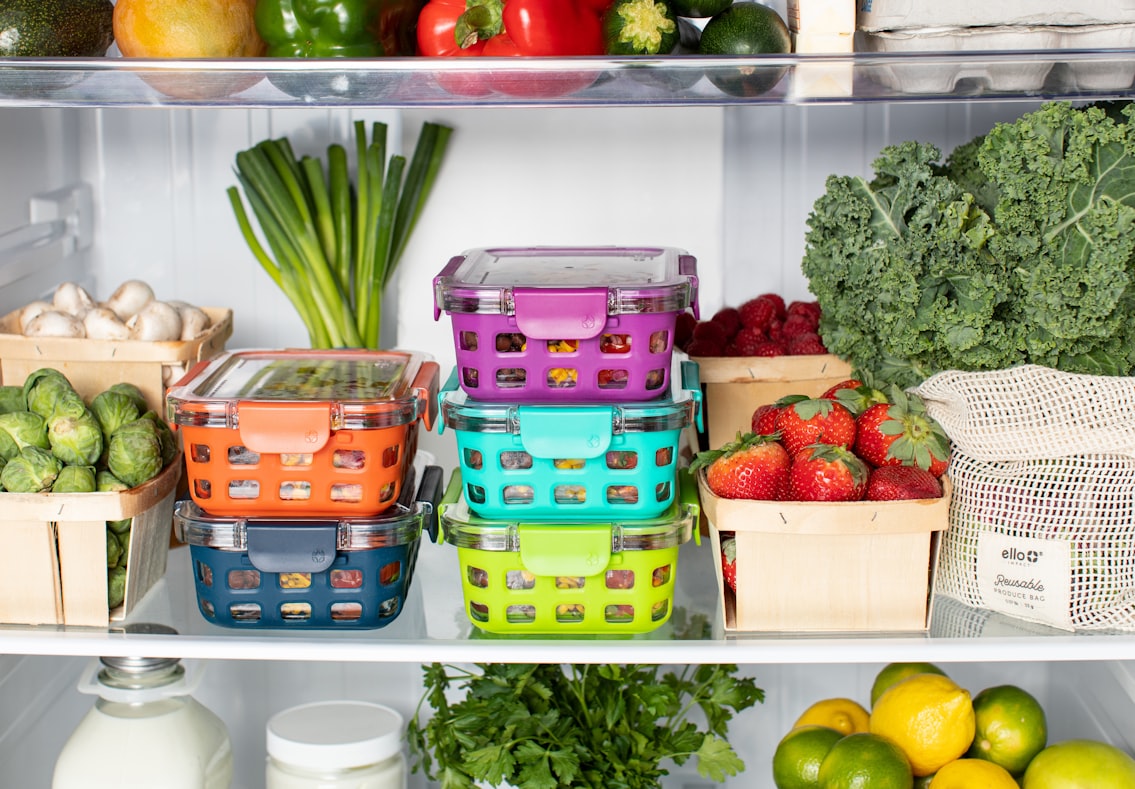
As an environmental consultant, I’ve tested reusable storage products in everything from tiny apartment kitchens to large family homes. One thing became obvious quickly. Buyers obsess over material type. The real difference comes from how often the product actually gets used.
A reusable product sitting in a cabinet is like a gym membership you never use. Technically valuable. Practically useless.
The verdict is coming. But first, let’s talk about what actually matters.
💡 Key Takeaway: The best food storage product isn’t the cheapest or the most eco-friendly on paper. It’s the one you’ll use consistently for years.
What Actually Matters When Choosing Reusable Food Storage
Most comparison articles focus on environmental claims. That’s important. But it isn’t what determines whether you’ll be happy with your purchase six months from now.
Here are the factors that actually predict satisfaction.
1. Food Safety and Material Quality
Look for food-grade silicone or BPA-free plastic from reputable manufacturers.
According to the U.S. Food and Drug Administration (FDA), food-contact materials should be manufactured for intended food-use applications and comply with applicable safety standards.
Cheap storage products often cut corners on material consistency. That’s where lingering odors, staining, and premature wear tend to show up.
2. Durability Over Years, Not Months
Every buyer focuses on purchase price.
The thing that actually predicts satisfaction is lifespan.
A silicone bag that lasts five years can be a better value than replacing multiple plastic containers during the same period. Durability affects both your wallet and your household waste output.
3. Freezer, Microwave, and Dishwasher Performance
Storage products don’t fail when they’re sitting empty.
They fail during daily use.
Temperature swings, dishwasher cycles, and repeated opening and closing put stress on materials. Silicone generally handles these conditions better than most standard plastic containers.
4. Storage Efficiency
This is the factor almost nobody talks about.
Cabinet space matters.
Flexible silicone bags collapse when empty and take up very little storage room. Rigid containers maintain their shape whether they’re full or empty.
In smaller kitchens, that difference becomes surprisingly important.
5. Ease of Cleaning
Reusable products only work if people actually reuse them.
Complicated cleaning routines kill adoption.
Wide-opening silicone bags and dishwasher-safe containers usually see the most consistent long-term use because they don’t create friction in everyday routines.
Silicone food bags generally cost between $8 and $20 each, while reusable plastic containers often range from $2 to $10. Despite the higher upfront cost, silicone food bags frequently deliver better long-term value because they resist cracking, staining, and freezer damage more effectively.
What Nobody Tells You
Every review focuses on sustainability.
The real differentiator is convenience.
When people abandon reusable storage systems, it usually isn’t because they stopped caring about waste reduction. It’s because the product became annoying to use.
The best reusable food storage solution is the one that fits naturally into your daily routine.
Are Silicone Food Bags Worth the Higher Price in 2026?
For most buyers, yes.
The higher price is easy to notice. The long lifespan is harder to see when you’re standing in a store aisle comparing products.
Quality silicone bags typically perform well across multiple uses:
- Leftovers
- Meal prep ingredients
- Frozen foods
- Snacks on the go
- Marinating foods
- Travel storage
That versatility matters.
Instead of owning separate freezer bags, snack bags, and storage containers, many households can replace several products with one system.
Consumer preference surveys consistently show that durability remains one of the strongest drivers of satisfaction with reusable household products. Buyers rarely complain about paying more for something that lasts. They frequently complain about replacing cheap products repeatedly.
My Personal Testing Experience
A few years ago, I switched one section of my kitchen entirely to reusable storage alternatives. I expected the biggest benefit to be waste reduction.
It wasn’t.
The biggest difference was organization.
The silicone bags handled frozen berries, chopped vegetables, leftovers, and bulk ingredients without requiring separate storage systems. After roughly a year of daily use, the bags showed minimal wear compared to several plastic containers that had already become stained or warped.
That surprised me.
The sustainability benefits were real, but the convenience benefits ended up being the bigger selling point.
Who Should Still Choose Plastic Containers?
Plastic containers aren’t automatically the wrong choice.
They’re often the better option for specific buyers.
If your primary goal is structured meal prep, rigid containers offer advantages. They stack neatly in refrigerators and make portion control easier.
Plastic containers may also make sense if:
- You’re building a storage system on a tight budget.
- You store mostly dry foods.
- You prefer rigid shapes.
- You need identical container sizes for meal prep.
The key is buying higher-quality BPA-free options rather than the cheapest products available.
For buyers looking to reduce household waste beyond food storage, many of the same principles apply to other kitchen swaps discussed in our reusable food storage and waste-reduction resources.
A related mistake is focusing on product labels instead of actual usage habits. The households that reduce the most waste aren’t necessarily buying the most eco-friendly products. They’re consistently using the products they already own.
For a broader look at reducing disposable kitchen products, see our article on reusable food storage solutions and practical kitchen swaps for waste reduction.
Individual Option Breakdown: The Real-World Pros and Cons
Silicone Food Bags
Silicone food bags are genuinely good at replacing multiple storage products at once. They work for freezer storage, leftovers, snacks, marinating, and travel. That versatility is what makes them stand out.
They’re ideal for buyers trying to reduce single-use plastic and simplify their storage setup. Families, meal preppers with limited space, and anyone pursuing a low-waste lifestyle typically get the most value from them.
The biggest criticism? Drying them can be annoying. Some designs need to be propped open after washing, and cheaper models sometimes have closures that become frustrating after repeated use.
Still, if someone asked me for one reusable food storage product to start with, silicone food bags would be my first recommendation.
Plastic Food Containers
Plastic containers excel at organization.
If you’re meal prepping lunches for the week, rigid containers make stacking, portioning, and labeling easier than flexible bags.
They’re best for budget-conscious buyers who want an affordable entry point into reusable food storage. A complete starter set often costs less than a handful of premium silicone bags.
The downside is longevity. Even BPA-free containers can stain, absorb odors, develop cloudy surfaces, or warp after repeated dishwasher and microwave use.
Plastic containers aren’t bad. They’re simply more likely to need replacement over time.
Glass Containers with Silicone Lids
Glass containers are the sleeper pick in this category.
They don’t stain, don’t absorb odors, and provide excellent visibility. You can instantly see what’s inside without opening anything.
They’re particularly good for leftovers, meal prep, and households that prioritize food safety and durability above portability.
The honest drawback is weight.
Dropping a silicone bag is usually a non-event. Dropping a glass container can ruin both your lunch and your kitchen floor.
For home use, glass is excellent. For commuting, travel, or kids’ lunches, not so much.
Silicone Food Bags vs Plastic Containers: Head-to-Head Comparison
| Criteria | Silicone Food Bags | Plastic Containers | Glass Containers |
|---|---|---|---|
| Price Range | $8–$20 each | $2–$10 each | $5–$20 each |
| Best For | Freezer storage, flexible use | Budget meal prep | Long-term home storage |
| Key Strength | Versatility and durability | Low upfront cost | No staining or odors |
| Main Limitation | Drying can be inconvenient | Can warp and stain | Heavy and breakable |
| Storage Space | Excellent | Moderate | Moderate |
| Freezer Performance | Excellent | Good | Excellent |
| Travel Friendly | Excellent | Good | Poor |
| Lifespan | Long | Moderate | Very Long |
| Our Verdict | Best Overall | Budget Pick | Premium Home Option |
For most households, silicone food bags deliver the strongest balance of durability, convenience, and waste reduction. While they cost more upfront than plastic containers, many buyers find the investment worthwhile after avoiding years of replacement purchases and disposable freezer bags.
Which Option Is Actually Best for Meal Prep?
For strict meal prep, plastic containers still have an edge.
Their rigid shape makes stacking simple. Portion sizes stay consistent. Refrigerators stay organized.
That said, if your meal prep includes ingredients rather than fully assembled meals, silicone bags often work better. Chopped vegetables, proteins, fruits, and snacks fit naturally into flexible storage.
My recommendation:
- Weekly lunch prep: Plastic containers
- Ingredient prep: Silicone food bags
- Leftovers: Glass containers
Which Option Is Best for Freezer Storage?
Silicone food bags win.
Not by a little. By a lot.
They flatten easily, maximize freezer space, and handle freezing temperatures exceptionally well. Unlike some plastic containers, they don’t become brittle over time.
For households buying in bulk, freezing produce, or storing batch-cooked meals, silicone bags provide the most efficient use of freezer space.
If you’re interested in reducing food waste from improper storage, our article on avoiding common leftover storage mistakes covers several habits that cost households more money than they realize.
Who Should NOT Buy Silicone Food Bags?
Silicone food bags aren’t perfect.
You probably shouldn’t buy them if:
- Your main goal is spending as little money as possible today.
- You prefer rigid storage systems.
- You meal prep dozens of identical portions each week.
- You dislike hand-drying storage products.
Sound familiar?
Then a quality set of BPA-free containers may actually make you happier.
Buying the wrong product for your habits is like buying hiking boots for a marathon. Great product. Wrong application.
Red Flags and Common Food Storage Mistakes to Avoid
Here are the mistakes I see repeatedly.
Buying the Cheapest Option Available
Low-cost storage products often fail first at the seams, hinges, or lid connections. Replacing products repeatedly defeats both the financial and environmental benefits.
Believing “Eco-Friendly” Automatically Means Better
This is one of the most overrated marketing claims in the category.
A reusable product used twice is less sustainable than a durable product used hundreds of times. Actual usage matters more than branding.
Ignoring Dishwasher Compatibility
If a product requires special cleaning procedures, many households stop using it regularly.
Convenience drives consistency.
Choosing the Wrong Size Mix
Many buyers purchase large containers exclusively. Then they discover most leftovers, produce, and snacks require smaller sizes.
A varied set almost always performs better than identical pieces.
According to the Environmental Protection Agency (EPA) guidance on reducing food waste at home, proper food storage is one of the simplest ways households can reduce unnecessary food waste.
💡 Key Takeaway: The biggest mistake isn’t choosing silicone or plastic. It’s buying storage products that don’t match how you actually cook, store, and eat food.

Verdict by Buyer Type
If you’re trying to reduce household waste: Go with silicone food bags because they replace several disposable products at once.
If you’re meal prepping lunches every week: Choose plastic containers because stacking and portioning are easier.
If food freshness matters most: Pick glass containers because they resist odors and staining better than either alternative.
If you’re starting a zero-waste kitchen from scratch: Start with silicone food bags because they provide the broadest range of uses for the investment.
For readers building a more sustainable kitchen overall, our guides on reusable food storage, glass storage jars for sustainable kitchens, and kitchen swaps for waste reduction pair well with the recommendations above.
Frequently Asked Questions
Are silicone food bags worth it for beginners?
Short answer: yes. But here’s the nuance.
If you’re just starting to reduce disposable kitchen products, silicone food bags provide one of the fastest returns because they can replace freezer bags, sandwich bags, and snack bags immediately. Most beginners see value within the first few weeks of use.
What’s the real difference between silicone food bags and plastic containers?
The biggest difference is flexibility.
Plastic containers are better for structure and organization. Silicone bags are better for versatility and space efficiency. If freezer storage is a priority, silicone usually wins. If meal prep organization is the goal, containers often have the advantage.
Are silicone food bags good value at $10–$20 each?
For long-term users, yes.
The key question isn’t the purchase price. It’s how many disposable bags or replacement containers they’ll eliminate over several years. Buyers who regularly freeze food or pack snacks typically see the strongest value.
Should I buy silicone bags or glass containers?
It depends—here’s exactly how to decide.
Choose silicone bags if:
- Freezer space matters.
- You travel with food often.
- You want maximum versatility.
Choose glass containers if:
- Food freshness is your top concern.
- You mostly store food at home.
- You dislike lingering stains and odors.
How long do silicone food bags actually last?
Fair warning: lifespan varies dramatically by quality.
Premium food-grade silicone bags commonly last several years with regular use. The closure system usually wears out before the silicone itself. Buying a well-reviewed product often matters more than chasing the lowest price.
What I’d Actually Buy for My Own Kitchen
If I were buying today, I wouldn’t choose only one storage solution.
I’d build around silicone food bags first.
They solve more problems than any other reusable food storage option I’ve tested. They’re excellent in freezers, useful for travel, adaptable for leftovers, and surprisingly space-efficient.
Then I’d add a few glass containers for leftovers and meal prep.
Plastic containers still have a role, especially for buyers on a budget. But if you’re looking for the strongest combination of convenience, longevity, and sustainability, silicone food bags remain the better investment.
The primary keyword here is simple: silicone food bags offer the best overall value for most households because they reduce waste without creating extra work.
If I were buying today, I’d go with silicone food bags because they’re the closest thing to a one-size-fits-most solution in reusable food storage. Let me know what you ended up choosing—or ask a follow-up question if you’re comparing specific brands.

Dr. Amelia Hart is Environmental consultant with 12+ years of experience in residential sustainability, certified in Green Building and frequently featured in eco-living publications about zero waste home systems.
Now share tips ”Sustainable Home” on “econewera.com”
